
Explore the fascinating world of fishing. Learn about techniques, history, and equipment, all while understanding the significant role fishing plays in culture and economy.
Introduction to Fishing
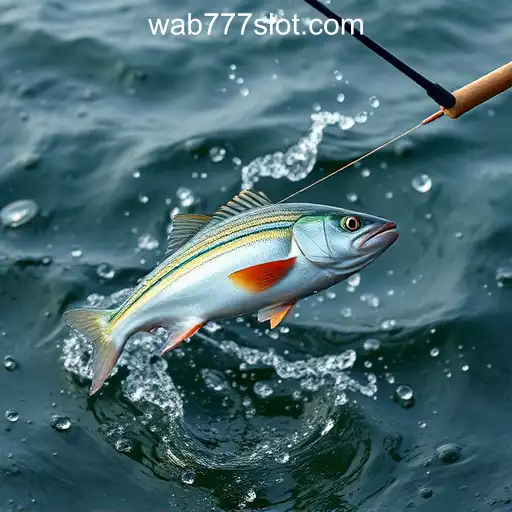
Fishing is an age-old practice with roots stretching deep into human history. It has served not only as a means of survival but also as an essential economic activity. In contemporary times, fishing transcends mere food gathering; it is a cherished recreational activity and a sport.
The Cultural Significance of Fishing
Various cultures worldwide have utilized fishing for centuries. From the era of early humans who crafted simple tools from bones and stones, the activity evolved significantly. Today, fishing represents a way of life in many coastal communities. Just as significant is the symbolism of fishing, often depicted in literature and art as a metaphor for patience and perseverance.
The Evolution of Fishing Equipment
Over the years, fishing equipment has greatly evolved. The transition from rudimentary tools to sophisticated fishing gear reflects human ingenuity and technological advancement. Modern anglers can choose from an array of rods, reels, lines, and hooks designed for specific conditions and fish species.
Fishing Rods
The fishing rod is perhaps the most recognizable piece of fishing equipment. It serves as the primary tool for catching fish, with designs that vary depending on the fishing method. Spinning rods, casting rods, and fly rods each serve specific purposes, offering unique benefits and challenges.
Reels and Lines
Reels and lines are crucial components, dictating the efficiency and success of a fishing expedition. Advanced technology has led to the development of lightweight, durable, and highly efficient reels. Lines, crafted from materials such as monofilament, fluorocarbon, and braided fibers, offer versatility and strength, allowing for strategic approaches to fishing in diverse environments.
Fishing Techniques and Styles
Anglers employ a wide variety of techniques and styles, each suited to specific environments or target species. Mastering these techniques can significantly enhance the fishing experience.
Bait Fishing
Also known as still fishing, this technique involves using live bait such as worms or minnows to attract fish. Effective in freshwater and saltwater environments, bait fishing is accessible to beginners due to its straightforward nature.
Fly Fishing
Regarded as an art form, fly fishing demands skill and practice. An angler uses a lightweight lure, called an artificial fly, to mimic the appearance and movement of natural prey. Mastery of casting techniques is crucial for success in fly fishing, which appeals to those seeking a deeper connection with nature.
Spin and Baitcasting
Spin casting uses a spinning reel with a fixed spool, ideal for light lures and beginner-friendly casting. Baitcasting, on the other hand, involves a revolving spool requiring more skill and precision, making it popular among experienced anglers targeting larger species.
The Economic Impact of Fishing
Fishing plays a critical role in the global economy, providing millions of jobs and serving as a primary food source for billions. Commercial fishing industries contribute enormously to the economies of coastal nations, while sustainable practices ensure long-term viability. In parallel, recreational fishing significantly boosts local economies, especially in regions popular for tourism.
Conservation Efforts in Fishing
To preserve aquatic ecosystems, various conservation measures have been implemented worldwide. These include catch-and-release practices, seasonal fishing restrictions, and protected marine areas. Such initiatives aim to maintain biological diversity and ensure that fish populations remain healthy and sustainable.
Seafood Sustainability
Consumer awareness of seafood sustainability is growing, with many advocating for responsible fishing practices. Sustainable seafood guides help consumers make informed choices, prioritizing fish that are abundant and harvested with minimal environmental impact.
Recreational Fishing's Global Appeal
Recreational fishing is a popular pastime that bridges cultures and geographies. Social aspects add to its allure, with families often bonding over fishing trips. Competitions and tournaments elevate the sport, providing opportunities for anglers to showcase their skills and foster camaraderie.
Fishing and Technology
Technology's role in fishing has expanded far beyond equipment improvements. Digital tools and apps provide anglers with data on fishing conditions, weather forecasts, and fish behaviors, enhancing their chances of a successful catch.
The Future of Fishing
As digital innovation continues, the future of fishing promises further integration of technology. Online platforms such as Wab777.COM Oficial Slots Brasil #1 tap into this by offering virtual angling experiences and promotions designed to resonate with the gaming community. These initiatives reflect an evolving landscape where tradition and modernity coexist.
Conclusion
Fishing remains a multifaceted activity with deep historical roots and contemporary relevance. Its influence is palpable in economic, cultural, and recreational realms, with an enduring call that resonates worldwide. As we navigate the complexities of ecosystem preservation and technological integration, the spirit of fishing continues to unite and inspire enthusiasts across the globe.